Common Causes of Sanitary Sewer Overflows
Engineering Guide
Overflow causes need measured evidence
SSOs can come from RDII, capacity limitations, blockages, equipment failures, and maintenance issues; flow data helps separate symptoms from root causes.
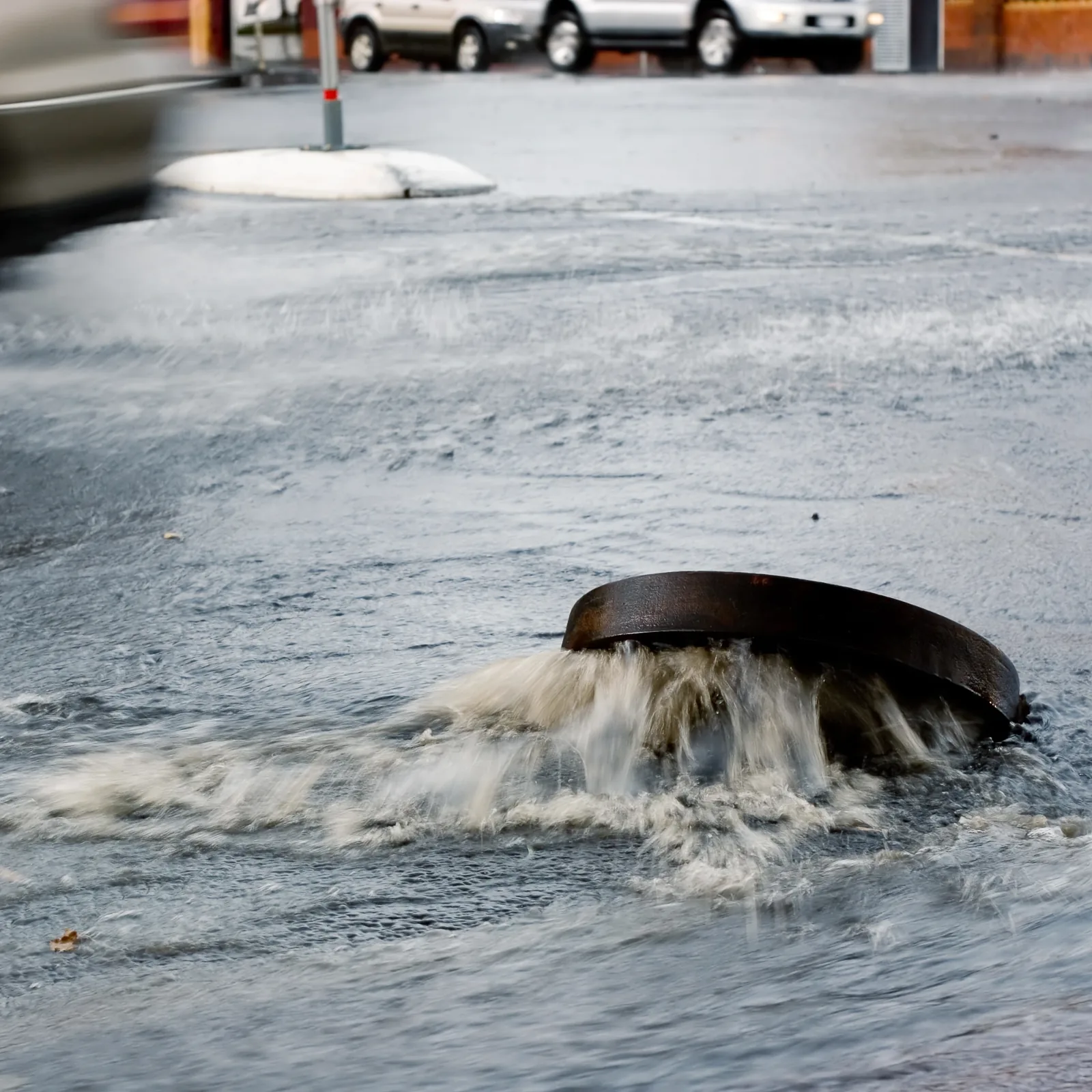
Sanitary sewer overflows (SSOs) occur when wastewater escapes from the collection system before reaching the treatment plant. SSOs are regulated under the Clean Water Act and can result in EPA consent decrees, significant fines, and mandatory corrective action programs that can cost municipalities tens of millions of dollars. Understanding the engineering root causes is the first step toward prevention.
Rainfall Dependent Infiltration and Inflow (RDII)
RDII is the most common cause of wet weather SSOs nationwide. During and after rainfall events, stormwater enters the sanitary sewer through two mechanisms: infiltration (groundwater entering through pipe defects) and inflow (surface water entering through illicit connections and damaged structures). During intense storms, RDII can increase sewer flows by 500–1000% above dry weather conditions, overwhelming system capacity.
RDII-caused SSOs are addressed through systematic RDII quantification by sub-basin, followed by targeted rehabilitation of the pipe defects and illicit connections contributing the most stormwater volume.
Hydraulic Capacity Deficiencies
Undersized pipes, inadequate slope, and system growth beyond original design capacity create permanent bottlenecks where flow exceeds pipe capacity even under dry weather conditions. These structural capacity deficiencies are identified through sewer capacity studies that measure actual flow conditions and compare them to pipe capacity — rather than relying on model assumptions that frequently overestimate or underestimate conditions by 30–65%.
Blockages and Structural Failures
Grease accumulation, root intrusion, debris, sediment buildup, and structural pipe failures (such as collapsed pipe sections or offset joints) can partially or completely block flow, causing localized overflows even when overall system capacity is adequate. These are typically identified through CCTV inspection programs and addressed through cleaning, root treatment, or point repairs.
Pump Station and Force Main Failures
Mechanical failures, power outages, and inadequate pump capacity at lift stations can cause overflows in systems that rely on pressure sewers to convey flow over hills or across water features. Flow monitoring programs can identify pump stations operating near capacity limits before failures occur.
Combined Sewer System Issues
Older cities with combined sewer systems (which carry both sanitary sewage and stormwater in the same pipes) experience CSOs (combined sewer overflows) during rainfall. While technically different from SSOs, the monitoring and analysis techniques are similar, and many municipalities are under consent decrees to address both.
How Flow Monitoring Prevents SSOs
Sewer flow monitoring provides the measured data needed to identify which specific causes are driving SSOs in a particular system. This data directs rehabilitation investment to the locations and causes that produce the greatest measurable reduction in overflow risk — preventing municipalities from spending capital on the wrong problems. The monitoring data also provides the before-and-after evidence required to demonstrate that corrective actions are actually working, which is essential for consent decree compliance.
Need this service? Learn about our sewer flow monitoring services or request a quote.
Request a Quote
Fixed-scope proposals within approximately 24 hours. No open-ended billing.