RDII Analysis & I/I Quantification
Rainfall Dependent Infiltration and Inflow quantification using the EPA-standard RTK unit hydrograph method — the engineering foundation for consent decree compliance, SSO reduction, and capital improvement prioritization.
Wet-Weather Analysis
RDII, I/I, and overflow risk are field-data problems
Rainfall-dependent inflow and infiltration analysis is strongest when flow data and rainfall response are reviewed together.
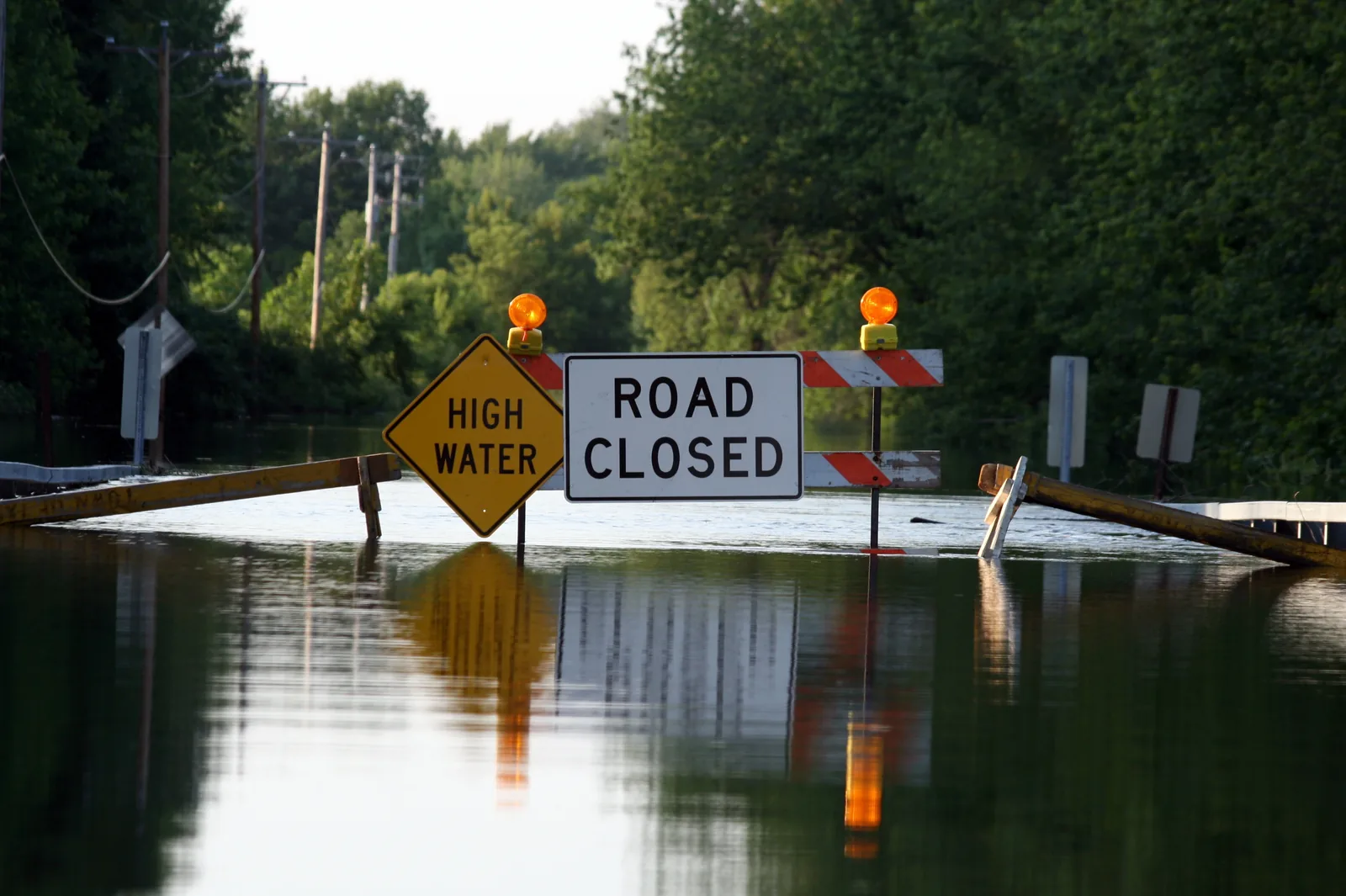
Rainfall Response
RDII analysis starts with understanding how wet weather changes system behavior.

System Stress
Surcharged or stressed sewer systems require measured data, not assumptions.
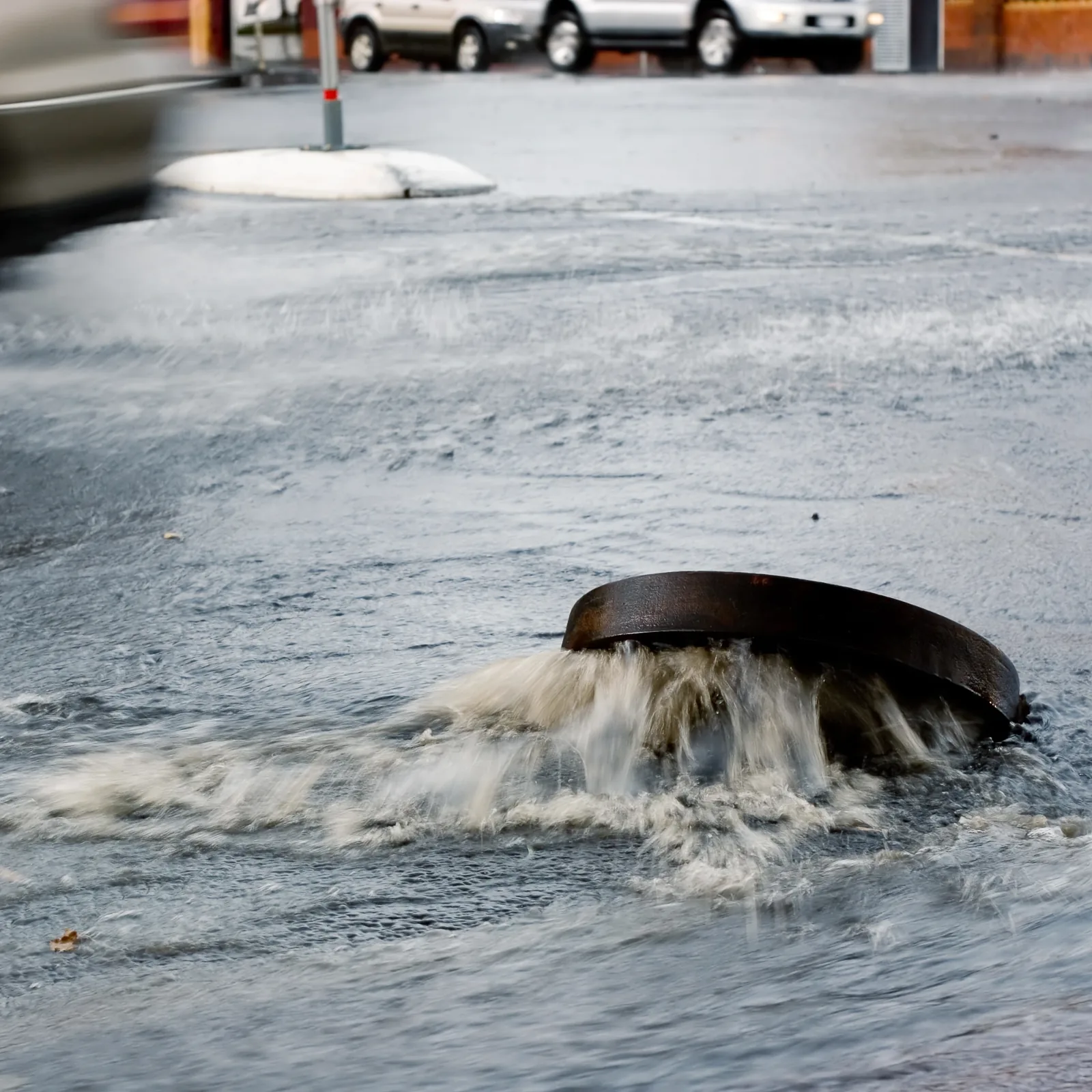
Overflow Risk
Flow monitoring helps utilities identify where I/I and capacity issues create SSO risk.
What This Service Is
RDII analysis quantifies the volume and timing of stormwater entering the sanitary sewer during and after rainfall events. US3 uses the EPA-standard RTK unit hydrograph method to calibrate three parameters for each monitored sub-basin: R (fraction of rainfall entering as RDII), T (time to peak), and K (recession ratio).
Why Municipal Utilities Need It
RDII is the primary driver of wet weather sanitary sewer overflows. Infiltration enters through deteriorated joints and cracked pipes — a slow response building over hours. Inflow enters through illicit connections and damaged manholes — a rapid response tracking rainfall. Each requires different rehabilitation. US3 separates and quantifies both components by sub-basin, directing investment where it has the greatest measurable impact on SSO reduction.
How the Process Works
Flow monitoring over 30–56 days captures multiple storm events. Co-located rain gauges record precipitation at 1-minute intervals. US3 engineers then calibrate RTK parameters against observed flow response — these are the direct inputs required by EPA SWMM and other hydraulic models for wet weather simulation.
Typical Project Workflow
Applications include EPA consent decree compliance, Sanitary Sewer Evaluation Surveys (SSES), CMOM program capacity assessments, SSO source identification, and capital improvement program justification.
Learn more: What Is RDII in Sewer Systems?
Request a Quote
Fixed-scope proposals within approximately 24 hours. No open-ended billing.
Related Services